

Indian e-grocery market to witness rise in tier 2, beyond in 2023
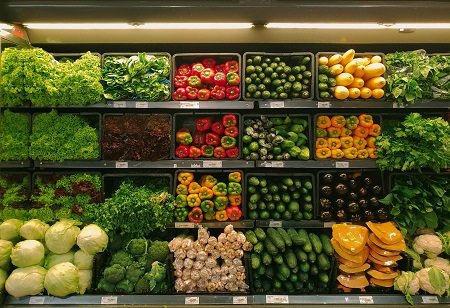 The Indian e-grocery market, which is primarily dominated by slotted delivery, is set to grow in tier 2 and beyond regions, with horizontal players leading the way, while the adoption of quick commerce is expected to remain stable.
The adoption of quick commerce in cities can be attributed to the significant growth in the Indian e-grocery market between 2019 and 2022.
"The expansion of eGrocery is expected to continue in tier 2+ markets, driven by dominant players," according to RedSeer Strategy Consultants.
Due to the pandemic lockdowns, e-grocery, which remained a minuscule fraction of total grocery sales across regions until 2019, experienced a surge in demand.
As a result, while the Indian market's online penetration in e-grocery was steadily increasing, Indonesia and MENA saw skyrocketing adoption trends.
"Fast forward two years and the trends remained upward, with MENA and Indonesian regions experiencing over 100 per cent CAGR from 2019 to 2022, while India witnessed a 66 per cent CAGR," the findings showed.
As per the report, consumer preferences driven by multiple factors such as convenience and habit leave a lot of room for unlocking value in the e-grocery space.
"Players in the eGrocery space need to work on key principles to unlock values, such as a creative last-mile model, optimised warehousing and supply chain, targeted range construction and merchandising, optimised price positioning, and test and learn approach," it elaborated.
As quick grocery delivery within 10-15 minutes becomes the new global growth arena, India's quick commerce market is expected to grow 15 times by 2025, reaching a market size of nearly $5.5 billion.
Based on a Bengaluru-based market research firm, the total addressable market for quick commerce in India is $45 billion, with urban areas driving this market on the back of mid-high-income households.