

CEO Insights Hall of Fame: 8 Pioneers Who Defined the Indian IT Industry
Narayana Murthy: The Face of Infosys
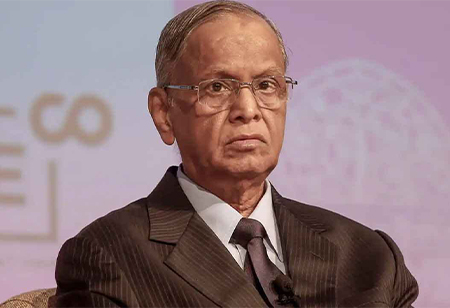
In 1991, India gave up on its planned economy and adopted global capitalism, which led to the emergence of numerous new technology enterprises around the nation, particularly in the Bangalore region. Infosys, an information technology business founded in 1981 by Narayana Murthy and six of his associates with Sudha Murthy's assistance, was one of the most prosperous of these start-ups.
Rough Start
Since its joint venture with Kurt Salmon Associates failed in 1989, Infosys had to overcome numerous obstacles and setbacks in its early years.
The business expanded slowly until the early 1990s when the high-technology and computer industries in India saw a sharp upsurge in growth due to the government's resolute move toward economic liberalization and deregulation.
Strategic Moves Toward Upliftment
Murthy negotiated agreements with numerous foreign companies to supply them with consultancy, systems integration, software development, and product engineering services as he aggressively grew his company's offerings and clientele.
Infosys became the first Indian business to be listed on an American stock exchange when it joined NASDAQ in 1999.
Murthy said in April 2004 that Bangalore-based Infosys had recorded $1.06 billion in total yearly revenue, a startling 33 percent rise over the previous fiscal year. Given that the company's expansion occurred during a global information technology sector downturn, it was all the more impressive. However, there was controversy surrounding this extraordinary success.
Controversy Behind His Success
Outsourcing work abroad, or offshoring, resulted in employment losses in the US, sparking a political controversy. Infosys, which received more than two-thirds of its income from American corporations, was extremely concerned about this. In response, Murthy said it was "normal" for people to express concerns about job losses. He also said he believed outsourcing was "here to stay," which helped to calm some of the ire. Infosys would be opening a 500-person consulting unit in the US, he revealed. Ultimately, it didn't seem that the dispute had a big impact on Infosys's operations.
When he turned 60 years old in 2006, Narayana Murthy left the firm and was named an additional director. The company's revenue exceeded $5 billion by 2010. In 2011, Murthy resigned from Infosys and was appointed Chairman Emeritus. The Board once more designated Murthy as the Executive Chairman of the Board in 2013. He has also been a thought leader and guiding light for the whole IT industry, especially in India. These words, which he echoed during an exclusive interview with CEO Insights, come to mind. "I have realized that a disproportionate part of our entrepreneurs' time is spent solving non-revenue related issues – talent hunting, office building, getting electricity and water, getting approval from municipalities, and handling the tyranny of factory inspectors." He has always been an inspiration to the entrepreneurs in our country.
Honorable Recognitions
Infosys saw rapid expansion in the years that followed, garnering numerous honors, including a spot on Forbes' 2019 list of the World's Most Esteemed Companies at number three.
For the third year in a row, Ethisphere named Infosys as one of the most ethical firms in the world in 2023.
Narayan Murthy is currently valued at around $3.5 billion. Additionally, he has made a sizable contribution to charitable causes via the Infosys Foundation. The Indian government bestowed the Padma Shri upon Murthy in 2000 in recognition of his noteworthy contributions to the nation's IT industry and economy.